
Global Groundwater
Groundwater is the most abundant source of accessible fresh water on the planet (comprising 90% of readily available reserves). As a resource that is hidden from sight it is commonly taken for granted except in times of scarcity or when contaminated. Yet it provides large benefits to economic growth, prosperity and health. Often water is a key component of a product’s cost/value.
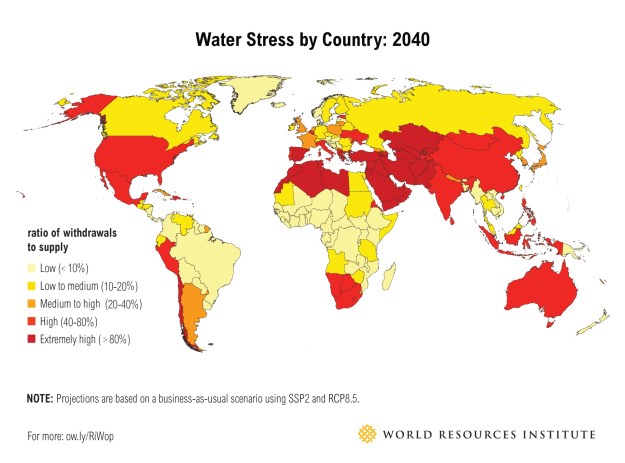
Groundwater has supported the development and expanded production of commodity crops and high value products around the world. But intensive use and impacts from industrial and agricultural contaminants has depleted resources at the same time as demand continues to grow. Global demand for water increased 600% during the 20th century, more than double the rate of population growth. The World Bank estimates that water demand may grow more than 50% between now and 2030 (World Bank 2007).
The way organisations view environmental management has evolved in recent years. Once considered a peripheral issue, it now shares center stage with other economic and social concerns and is increasingly a focal point for government, industry and consumers. Supply security, climate change, waste management, population growth, consumer demand for food and other products, stewardship and brand credibility – these are some of the issues that industry and government must tackle as they consider the challenge of sustainable development this century.
Businesses across all sectors increasingly recognise the importance of water to the value of their operations and are reviewing and developing water management strategies. This begins by characterising the source, then quantifying water usage and assessing its impacts separate to those of competing users. From this position of understanding companies are better placed to put a value on water, establish systems to manage water-related risks and take advantage of opportunities.
Petroc Group helps organizations understand and address these issues as they relate to groundwater: for regulatory compliance, as part of ongoing portfolio and supply-chain management, as a component of strategic planning, during the merger and acquisition process, for non-financial reporting and for investor decision-making.
 petrocgroup.org